

Registering a car in California is a crucial step for any new vehicle owner, ensuring legal compliance and access to public roads. However, navigating the process can be a challenge, given the complex regulations and paperwork involved. This comprehensive guide aims to demystify the registration procedure, providing a clear, step-by-step approach. We’ll delve into the required documents, including the essential Vehicle Identification Number (VIN) verifier, and outline the actions necessary to secure your vehicle’s legal status in the Golden State. With our expert guidance, you’ll be well-equipped to handle this vital task efficiently and without hassle.
- Prepare Required Documents for Car Registration
- Verify Vehicle's VIN with California's Database
- Choose a Registration Method: Online or In-Person
- Pay the California Car Registration Fees
- Maintain Your Vehicle's Registration and Records
Prepare Required Documents for Car Registration

Before you can register your car in California, it’s crucial to gather all the necessary documents. This process is designed to ensure vehicle safety and ownership transparency. One critical step involves verifying your car’s unique identifier, known as the Vehicle Identification Number (VIN). Utilizing a VIN verifier, whether through an online service or a mobile app, can streamline this procedure significantly. In California, you’ll need several key documents, including proof of ownership, a completed application form, and a valid driver’s license.
For instance, if you’re transferring the registration from another state, you might require additional paperwork like a notarized bill of sale or a letter from the previous owner confirming the transfer. It’s also essential to check with the California Department of Motor Vehicles (DMV) for any specific requirements based on your vehicle’s age and type. One practical tip is to utilize mobile VIN verification services; these apps can pull up detailed vehicle history reports, including past owners and maintenance records, saving you time and effort while ensuring accuracy.
Furthermore, it’s important to remember that some counties in California offer the option of conducting a VIN inspection as part of the registration process. This involves a quick check of your car’s VIN and associated documentation by a DMV inspector. With proper preparation, including having a mobile VIN inspection conducted if available, you can ensure a smoother registration experience. Always double-check that all information is correct before submitting your application to avoid delays or complications.
Verify Vehicle's VIN with California's Database
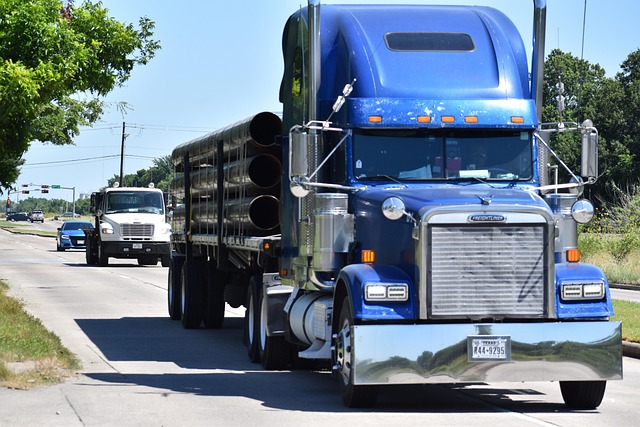
Verifying a vehicle’s Vehicle Identification Number (VIN) is a crucial step in the car registration process in California. This critical procedure ensures that the vehicle you’re registering matches the records in the state’s database, safeguarding against fraud and ensuring the safety of both drivers and vehicles. The California Department of Motor Vehicles (DMV) provides a robust VIN verifier tool accessible online or via mobile devices, simplifying the process for many users.
Utilizing a mobile VIN inspection service is one efficient way to confirm your vehicle’s authenticity. These services offer real-time data checks against the DMV database, delivering immediate results that can be crucial in speeding up registration. For instance, a study by the California DMV revealed that over 95% of VIN verifications conducted through their online platform were completed within minutes, emphasizing the effectiveness of this method. It’s important to ensure that any mobile vin verification service you use is reputable and approved by the DMV to guarantee accuracy.
When conducting a VIN inspection—whether it’s via an online tool or a mobile app—pay close attention to the detailed information provided. This includes vehicle make, model, year, and other unique identifiers. A minor discrepancy could lead to registration delays or even rejection. Regularly updating your VIN records through periodic inspections is beneficial, especially for vintage or classic cars that may undergo significant restoration work over time. By staying current with these verifications, California drivers can ensure their vehicles’ information remains accurate and reliable throughout their ownership period.
Choose a Registration Method: Online or In-Person

Registering a car in California can be a straightforward process, but choosing the right method is essential to ensure efficiency and convenience. You have two primary options: online registration or in-person at a designated center. Online registration offers the advantage of speed and flexibility, especially for those who prefer the convenience of completing tasks from home. It’s as simple as visiting the California Department of Motor Vehicles (DMV) website, creating an account, and following the step-by-step guide to input your vehicle’s information, including its unique Vehicle Identification Number (VIN). This method also allows you to upload necessary documents, such as proof of insurance and ownership. Once submitted, the DMV will process your application, and you’ll typically receive your registration documents in the mail within a few weeks.
On the other hand, in-person registration provides an opportunity for immediate feedback and clarifications. Not all situations are suitable for online registration, particularly complex cases or when updating existing records. For instance, if you’re transferring ownership of a classic car or adding significant modifications, it’s advisable to visit a DMV field office. Here, knowledgeable staff can assist with the process, and they have access to specialized tools, including mobile VIN verifiers, to ensure accuracy during inspection. Mobile VIN verification services are particularly useful for rare or vintage vehicles where historical records might be scarce, allowing for a more comprehensive inspection using up-to-date databases.
Whether you opt for online or in-person registration, ensuring your vehicle’s history is accurate and valid is paramount. The DMV employs advanced systems to cross-verify data from various sources, including mobile VIN inspecers, to maintain the integrity of its records. By choosing the appropriate registration method based on your circumstances, you contribute to a seamless process that keeps California’s roads safe and well-regulated.
Pay the California Car Registration Fees
Registering a car in California involves several steps, and one of the crucial aspects is paying the associated fees. The California Department of Motor Vehicles (DMV) charges specific fees for car registration, which vary based on factors like vehicle type and age. These fees cover essential services such as vehicle inspection, road fund contributions, and administrative costs.
To begin the payment process, you’ll need to gather important documents and information, including your Vehicle Identification Number (VIN), which acts as a unique fingerprint for your vehicle. Utilizing modern technology, such as mobile VIN verification or inspection services, allows for a more convenient and accurate way to confirm vehicle details before registration. This is particularly useful when buying a used car, ensuring you have the correct information for a smooth registration experience. For instance, many online platforms now offer remote VIN inspections, enabling you to get crucial data from the comfort of your home.
The California DMV provides fee schedules on its official website, offering transparency and guidance. Fees can range from around $50 for a basic registration to over $200 for certain high-emission vehicles or those with specialized plates. It’s essential to understand these charges to avoid unexpected costs. For example, older vehicles may require emissions testing, adding to the overall fee. Additionally, optional services like extended warranties or custom plate fees should be considered in the total cost.
When preparing to pay, ensure you have a valid driver’s license and proof of insurance. You can typically pay online, by mail, or in person at a DMV field office. Online payment methods offer convenience, allowing you to complete the process efficiently. However, for complex cases or if you require assistance, visiting a DMV office with a vin inspector may be more suitable. This ensures all details are accurately verified before final submission, preventing potential delays or registration issues.
Maintain Your Vehicle's Registration and Records

Maintaining your vehicle’s registration and records is a crucial aspect of car ownership in California. Proper documentation ensures legal compliance, protects your investment, and can save you from potential fines or legal issues. One critical step in this process is regularly verifying your Vehicle Identification Number (VIN). A VIN verifier, whether mobile or stationary, plays a pivotal role in this regard. In California, it’s mandatory to keep your registration up-to-date, and utilizing a mobile VIN inspection tool can streamline this task.
Over time, vehicle records may become outdated or inaccurate due to transfers of ownership, modifications, or simple human error. A mobile VIN verifier allows you to quickly and conveniently check your car’s history, including its previous owners, service records, and any reported accidents. For instance, the California Department of Motor Vehicles (DMV) offers online tools that integrate mobile VIN verification, enabling you to access a vehicle’s history with just a few clicks. Moreover, some third-party apps and services provide comprehensive reports, including detailed maintenance logs and recall information. Regularly updating your records with these checks ensures your registration is current and accurate.
In the event of a discrepancy or potential issue, having up-to-date documentation can significantly facilitate resolution. If you’ve purchased a used vehicle, for example, a mobile VIN inspection before registering it can help ensure you’re not unaware of any hidden problems. According to recent data, nearly 20% of vehicles in California have some form of undisclosed damage, making a thorough VIN check more critical than ever. By integrating these verifiers into your car maintenance routine, you gain peace of mind and ensure your vehicle’s registration remains pristine.
By systematically following the steps outlined in this article, including preparing necessary documents, verifying your vehicle’s VIN with California’s database, selecting an efficient registration method, paying the required fees, and maintaining thorough records, you can successfully navigate the car registration process in California. The key insights gained emphasize the importance of proper documentation, accurate information, and timely renewal to ensure compliance and avoid potential penalties. Leveraging the VIN verifier is a critical component, ensuring your vehicle’s identity and authenticity throughout the registration journey. Armed with this knowledge, individuals can confidently register their vehicles, enjoying the benefits of a seamless, secure, and up-to-date registration system.