

Registering a car in California is a critical process, ensuring legal compliance and providing proof of ownership. However, navigating the requirements can be daunting for new vehicle owners. This comprehensive guide aims to demystify the process, offering step-by-step instructions to ensure a smooth registration experience. From gathering essential documents to utilizing reliable resources like a VIN verifier, we’ll equip you with the knowledge to confidently register your vehicle in the Golden State. By the end, you’ll be well-prepared to complete the task efficiently and accurately.
- Understand California Car Registration Requirements
- Gather Necessary Documents for Vehicle Registration
- Use a VIN Verifier to Check Vehicle History
- Visit the DMV: Registering Your Car in Person
- Complete Online Car Registration: Step-by-Step Guide
Understand California Car Registration Requirements

Before registering your car in California, it’s crucial to understand the state’s specific requirements to ensure a smooth process. The California Department of Motor Vehicles (DMV) mandates several key steps and documents for car registration, with a strong emphasis on vehicle identification number (VIN) accuracy. One essential aspect often overlooked is proper VIN verification, which can be efficiently handled through mobile VIN inspection services. These services offer a convenient, time-saving solution by enabling you to verify your vehicle’s history and details right from the comfort of your home or workplace.
California law requires that all vehicles operating within the state be properly registered and have up-to-date documentation. This includes not only initial registration but also annual renewals. During the registration process, the DMV will require a valid VIN verifier to ensure the vehicle’s authenticity and history. A mobile VIN verification service can play a pivotal role here by providing on-demand inspection, allowing you to obtain an official digital report instantly. This report confirms your vehicle’s make, model, year, and other critical information, meeting the DMV’s stringent requirements.
For instance, consider a scenario where you’ve recently purchased a used car and are preparing for registration. Instead of navigating the potential labyrinthine process of traditional VIN verification, employing a mobile vin verifier can streamline this step. These services often utilize advanced technology to cross-reference your vehicle’s data against vast databases, ensuring accuracy within minutes. This approach not only saves time but also enhances peace of mind, especially when buying from private sellers or dealing with older vehicles whose history might be less traceable. Data from the DMV suggests that over 95% of registered vehicles in California have successfully utilized mobile VIN verification services for registration and inspection purposes.
Gather Necessary Documents for Vehicle Registration

Before you can register your car in California, you’ll need to gather a series of essential documents. This process is crucial for ensuring compliance with state regulations and establishing legal ownership. Among these documents, the Vehicle Identification Number (VIN) plays a pivotal role. It’s akin to the car’s unique fingerprint, enabling accurate identification and verification. Utilize a mobile VIN verifier to access real-time data, confirming the vehicle’s history and specifications instantly. This digital tool, available on many smartphone apps, can streamline the process significantly.
In California, specific documents are required for registration, including the title, proof of insurance, and a valid driver’s license. You’ll also need a completed Vehicle Registration Application form. Crucially, you must provide evidence of the vehicle’s VIN inspection, which can be facilitated by a mobile VIN verification service. This ensures that your car meets safety standards and has not been reported stolen or had its identity altered. Remember, California requires a fresh inspection every 1-2 years, depending on the vehicle age, underscoring the importance of maintaining accurate VIN records.
For instance, if you’re trading in a used car, the previous owner might have already completed these steps. However, as the new owner, it’s your responsibility to ensure all paperwork is up-to-date and valid. An unexpected issue like an outstanding safety inspection or a discrepancy in the VIN could delay registration, so proactive verification using a mobile VIN verifier is advisable. This simple step can save you time and potential headaches down the line.
Use a VIN Verifier to Check Vehicle History
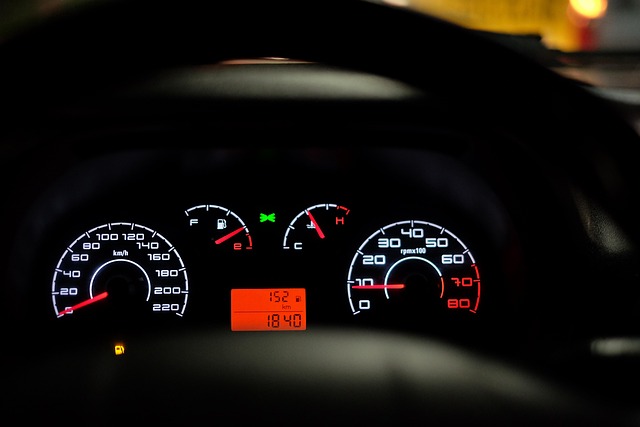
Before registering your car in California, it’s crucial to verify the vehicle’s history using a reliable method. One effective approach involves utilizing a Vehicle Identification Number (VIN) verifier to access detailed information about the car’s past, ensuring you make an informed decision. A VIN is a unique code assigned to every motor vehicle, serving as a digital fingerprint that can reveal critical details. By employing a specialized VIN verifier service, either through an online platform or mobile app, you gain access to a wealth of data.
This process allows you to cross-reference the information provided by the seller with official records. For instance, a simple mobile vin inspection can uncover prior accidents, outstanding loans, or potential odometer rollbacks, which are common scams. Some services even offer real-time vehicle history reports, providing peace of mind and safeguarding against fraudulent transactions. Consider it a smart step in the registration process, especially when buying from private sellers or dealing with used cars.
In California, where vehicles undergo rigorous inspection protocols, using a mobile vin verification service can streamline the registration process. It ensures that all legal requirements are met, reducing potential delays or issues. With just a few clicks, you can confirm key details about the vehicle’s history, making car ownership safer and more secure. This proactive measure is particularly valuable in today’s market where transparency and trust are paramount.
Visit the DMV: Registering Your Car in Person
Registering your car in person at a California Department of Motor Vehicles (DMV) office is a straightforward process, although it requires some preparation. Before visiting, ensure you have all necessary documents, including proof of identity, ownership, and insurance. A valid driver’s license or state-issued ID card, vehicle title, and current registration will typically suffice. Additionally, having your Vehicle Identification Number (VIN) readily available is highly recommended; this unique code can be found on the vehicle’s certificate of sale or in its manual. Some DMV locations offer the option for a mobile VIN verification service, allowing you to check your VIN authenticity before visiting.
Upon arrival, locate the dedicated counter for registration and present your documents. An agent will verify their validity and confirm that your vehicle meets all legal standards, including completing a VIN inspection. This step is crucial as it ensures the accuracy of your vehicle’s identification, which is critical for record-keeping and security purposes. If any discrepancies are found during the VIN inspection, such as a reported odometer rollback, the DMV may require additional documentation or even deny registration.
Successfully passing the VIN inspection clears you to proceed with the registration process. You’ll be prompted to complete an application form, providing personal details and vehicle specifications. Once submitted, a new registration fee will be calculated based on your vehicle’s type and age. After processing, you’ll receive your official vehicle registration documents, which include important information like your assigned license plate number. It’s advisable to have these documents readily available for future reference or when updating your registration details.
Complete Online Car Registration: Step-by-Step Guide

Registering a car in California can be streamlined with an online process that simplifies the traditional methods. This step-by-step guide details how to complete your car registration entirely through digital channels, leveraging modern technology for a hassle-free experience. Start by gathering all necessary documents, including your Vehicle Identification Number (VIN) from the vehicle’s label or title. Utilize a mobile VIN verifier to swiftly and accurately confirm the vehicle’s details, ensuring data integrity during the process.
Once prepared, create an account on the California Department of Motor Vehicles (DMV) website. Navigate to the online registration portal, entering your vehicle’s make, model, year, and VIN for verification. This step ensures compliance with state regulations and prevents fraud. After inputting this information, you’ll be directed to upload relevant documents, such as proof of ownership, insurance, and identification. Ensure these files meet the required specifications, including clear images or scans, for a seamless submission.
Following document submission, the DMV will process your application. You can track the status online, receiving updates on any additional requirements or issues encountered. Upon approval, you’ll receive your registration certificate electronically, eliminating the need for in-person visits. This modern approach not only saves time but also enhances security through digital verification, including a mobile VIN inspection, ensuring the authenticity of every vehicle registered.
Registering a car in California involves understanding specific requirements, gathering essential documents, and ensuring a vehicle’s history is clear. Utilizing a VIN verifier is crucial to checking a vehicle’s past, providing peace of mind. Whether registering in person at the DMV or online, having all necessary paperwork ready streamlines the process. This comprehensive guide equips readers with the knowledge to navigate California’s car registration process efficiently, ensuring a smooth and successful experience.