

Registering a car in California is a crucial step for any new vehicle owner, ensuring legal compliance and access to roads. However, navigating the process can be daunting, with various requirements and procedures that often leave owners confused. This article serves as your comprehensive guide, demystifying each step involved in registering your vehicle, from gathering necessary documents to understanding fee structures. We’ll delve into the essential aspects, including the crucial DMV VIN verification, ensuring you’re well-prepared for a smooth registration experience.
- Prepare Necessary Documents for Car Registration
- Visit California DMV: Step-by-Step Guide
- Perform Vehicle Identification Number (VIN) Verification
- Complete and Submit the Registration Application
- Pay Registration Fees and Receive Your Plate
Prepare Necessary Documents for Car Registration

Before registering your car in California, it’s crucial to prepare all necessary documents for a smooth process. Central to this preparation is ensuring accurate and up-to-date vehicle identification number (VIN) information. The California Department of Motor Vehicles (DMV) requires VIN verification as part of their registration procedures. This step is vital to confirm the authenticity of your vehicle’s details, including its make, model, year, and other specifications.
One efficient way to handle this requirement is by utilizing a mobile VIN verifier or engaging in a vin inspection. These tools provide an easy, on-demand solution, allowing you to verify your car’s VIN without visiting a DMV office. This approach is particularly beneficial for those with busy schedules or limited mobility. For instance, some mobile VIN verification services can be conducted via smartphone apps, making the process quick and convenient. Ensure that any service you use is trusted and reputable to guarantee accurate results.
When preparing your documents, have your vehicle’s registration certificate ready, along with proof of insurance and a valid driver’s license. Additionally, gathering all necessary paperwork from previous owners can expedite the verification process. In some cases, especially for older vehicles, maintaining complete and accurate records—including service histories and previous inspections—can enhance the registration experience. It’s recommended to check the DMV’s website for specific requirements and guidelines tailored to California residents.
Visit California DMV: Step-by-Step Guide

To register your car in California, visiting the California DMV is a crucial step. Here’s a detailed, step-by-step guide to ensure the process is smooth and efficient. Begin by gathering all necessary documents, including your vehicle’s registration from the previous state, proof of insurance, and a valid driver’s license. Next, visit one of the many California DMV field offices or utilize their online services for initial documentation submission.
Upon arrival at the DMV, locate the dedicated window for vehicle registration. An agent will guide you through the process, which includes verifying your vehicle’s Vehicle Identification Number (VIN). This is a critical step that ensures the accuracy of your car’s details. You can expedite this process by bringing along a mobile VIN inspection tool or using a reliable mobile VIN verifier to generate a digital report before your visit, making the physical verification at the DMV quicker and more straightforward.
If issues arise during the initial verification, such as discrepancies in vehicle history or outstanding emissions tests, address them promptly. The DMV offers various services on-site, including mobile emission testing for older vehicles. Once all verifications are complete and documents are in order, you’ll be guided to pay the registration fee. California’s fees vary based on vehicle type, so ensure you’re prepared with the exact amount or a method of payment accepted by the DMV. Upon completion, you’ll receive your new car’s registration papers.
Perform Vehicle Identification Number (VIN) Verification
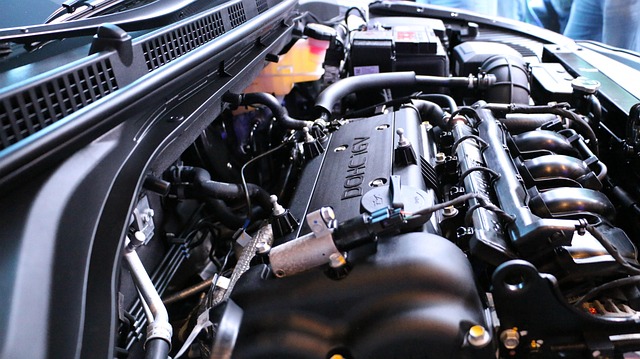
Registering a car in California involves several crucial steps, and one of the most important is ensuring your vehicle’s Vehicle Identification Number (VIN) is verified accurately. This process, often referred to as DMV VIN verification, is designed to safeguard against fraud and ensure every vehicle on California’s roads meets safety standards. It’s not uncommon for vehicles to undergo mobile VIN inspection or verification to streamline the registration process, making it more efficient for both owners and the Department of Motor Vehicles (DMV).
When you initiate the car registration process in California, you’ll be required to provide your VIN, which is a unique identifier for your vehicle. This number plays a critical role in accessing detailed information about the car’s history, including its make, model, year, and manufacturing location. To perform DMV VIN verification, authorized agents will cross-reference this data with their records to validate the authenticity of the vehicle. In some cases, mobile vin inspection services are employed, allowing for on-site verification at a time convenient for the owner, which can expedite the registration process.
An intriguing aspect of California’s VIN verification system is its emphasis on transparency and accuracy. The state maintains extensive databases that track every registered vehicle, making it easier to identify potential issues or discrepancies. For instance, if there’s a reported theft or a history of significant damage, these records will be reflected in the VIN data. This stringent approach not only ensures the safety of California drivers but also fosters trust in the registration system as a whole. As such, prospective car owners are encouraged to remain vigilant during the verification process and address any outstanding issues before finalizing the registration.
Complete and Submit the Registration Application

To complete the registration process for your vehicle in California, you’ll need to fill out and submit the Registration Application form. This crucial step involves providing detailed information about your car, including its make, model, year, and unique Vehicle Identification Number (VIN). The VIN is a 17-character code that serves as a fingerprint for your vehicle, and accurate VIN verification is essential during the registration process.
DMV (Department of Motor Vehicles) offers two methods to verify your VIN: through an online lookup or by contacting them directly. However, for added convenience and efficiency, many California residents opt for a mobile VIN verifier or inspection service. These services allow you to confirm your VIN’s accuracy from the comfort of your home or even while waiting in line at the DMV. By using a mobile VIN verification tool, you can ensure that all information matches before submitting your application, reducing potential delays or errors.
When completing the registration application, have your vehicle’s registration papers, title, and valid driver’s license handy. Double-check all details against your car’s documentation to avoid mistakes. Once submitted, the DMV will process the application, perform their own VIN verification (using methods like a mobile inspection), and issue a registration certificate if everything aligns accurately. This meticulous process ensures that California’s roads are safe and that vehicles on them are properly registered and identified.
Pay Registration Fees and Receive Your Plate

To complete the registration process for your vehicle in California, you’ll need to pay the required registration fees and receive your license plate. This step involves several actions, including scheduling a DMV visit or utilizing mobile vin verification services for convenience. First, determine the cost based on factors like vehicle age and weight. You can use the California Department of Motor Vehicles (DMV) website to calculate these fees accurately. After confirming the amount, you can pay online, by mail, or in person at any DMV field office.
If you opt for a traditional approach, visit a local DMV with your vehicle’s registration documents, proof of insurance, and valid identification. A DMV representative will conduct a vin inspection to verify your vehicle’s identity, ensuring it matches the information in their records. This process is crucial for maintaining the integrity of California’s vehicle registration system. Alternatively, many services now offer mobile vin verification, allowing you to get this critical step out of the way remotely.
Once the fee is paid and the vin inspection (including mobile vin inspection) is complete, the DMV will issue your license plate. They’ll also provide you with a registration card, which serves as proof of insurance and legal operation for your vehicle within California’s borders. It’s essential to keep these documents secure and up-to-date to avoid any future issues or penalties.
Registering a car in California involves several crucial steps, from gathering essential documents to completing a DMV visit and dmv VIN verification. Key takeaways include preparing complete paperwork, following a structured process at the DMV, ensuring accurate vehicle identification number (VIN) data, and paying required fees for timely plate issuance. This authoritative guide equips readers with the knowledge to navigate the car registration process seamlessly, ensuring compliance and peace of mind on California’s roads.