

Registering a car in California is a vital step for any new owner, ensuring legal compliance and access to roads. However, the process can be complex and time-consuming, with various requirements and potential pitfalls. Many find themselves navigating a labyrinth of regulations, especially when it comes to essential steps like DMV VIN verification. As a trusted guide, this article offers an authoritative exploration of the entire registration procedure, equipping you with the knowledge to smoothly navigate California’s car registration process, from initial preparation to finalization, ensuring your vehicle is legally registered and ready for the open road.
- Prepare Required Documents for Car Registration
- Visit California DMV: Step-by-Step Guide
- Perform Vehicle Identification Number (VIN) Verification
- Pay Registration Fees and Taxes Online or In-Person
- Maintain Your Car's Registration and Insurance Status
Prepare Required Documents for Car Registration

Before you can register your car in California, you’ll need to gather all the essential documents for a smooth process. One critical step is ensuring your Vehicle Identification Number (VIN) is accurately verified by the California Department of Motor Vehicles (DMV). This verification is often done through a VIN inspection, which can be facilitated by using a mobile VIN verifier or conducting a traditional inspection at a DMV office.
For the mobile VIN inspection, you can utilize various apps and services that provide this functionality. These tools allow you to input your VIN and receive instant information about the vehicle’s history, including its past owners, accident records, and service data. This digital approach is convenient, saving you time compared to traditional methods where you’d need to visit a DMV center and wait for manual checks. Notably, some mobile apps even offer additional features like vehicle valuation and insurance quotes based on your VIN data.
If you opt for a traditional VIN inspection at the DMV, be prepared with specific documents. These typically include your vehicle’s registration from the previous state (if applicable), proof of insurance, and valid identification such as a driver’s license. Some offices might also require a bill of sale or lease agreement to verify ownership. It’s important to check with your local DMV office for their exact requirements, as procedures can vary slightly across California regions.
Once you’ve completed the VIN verification process, you’ll receive a report detailing the vehicle’s history, which will be crucial when filling out your registration application. Ensure all information is accurate and up-to-date to avoid delays or issues during registration. This meticulous preparation ensures a seamless transition into California’s regulatory framework for vehicle ownership.
Visit California DMV: Step-by-Step Guide

To register your car in California, you’ll need to visit a California DMV (Department of Motor Vehicles) office. This process involves several steps, including vehicle identification number (VIN) verification, which is crucial for ensuring the car’s authenticity and history. Here’s a step-by-step guide to help you navigate this process efficiently:
First, gather all necessary documents before heading to the DMV. You’ll require proof of ownership, such as a bill of sale or previous registration, along with your valid driver’s license and proof of insurance. Additionally, ensure your vehicle’s VIN is readable; if it’s obscured or difficult to read, consider utilizing a mobile vin inspection service to obtain a clear, accurate number before visiting the DMV. These services offer convenience by enabling you to get a VIN verification on-the-go, saving time compared to waiting for an in-person inspection.
When at the California DMV, locate the counter dedicated to vehicle registration. An agent will guide you through the process, which involves entering your vehicle’s details and verifying them against the DMV database. They will check if there are any outstanding issues or recalls associated with the VIN. If everything checks out, they’ll proceed with processing your registration, including assigning a California license plate. In some cases, if you’re transferring a plate from another state, you might need to go through an additional mobile vin inspection for verification purposes, ensuring compliance with local regulations.
Remember, accurate and up-to-date information is key during this process. If you encounter any discrepancies or have questions about the VIN verification, don’t hesitate to ask for clarification. Many counties in California now offer online registration services, allowing you to complete some steps beforehand, which can streamline the overall process. By following these steps and ensuring proper VIN inspection—whether through a mobile verifier or at the DMV—you’ll be well on your way to registering your vehicle smoothly and efficiently.
Perform Vehicle Identification Number (VIN) Verification

Registering a car in California involves several crucial steps, one of which is performing a Vehicle Identification Number (VIN) verification. This process ensures that your vehicle’s information matches the data on file with the DMV. Accurate VIN verification is essential for issuing a registration and license plate. The California Department of Motor Vehicles (DMV) offers both in-person and mobile VIN inspection services, making it convenient for vehicle owners to complete this requirement.
For those opting for a more efficient approach, mobile vin inspection services are available. These services send a trained professional to your location, eliminating the need for you to visit a DMV office. They use specialized equipment to cross-reference the VIN with the manufacturer’s records and check for any discrepancies or recall notices. This method is particularly beneficial for individuals with busy schedules or those living in remote areas.
While the traditional in-person vin inspection remains a valid option, mobile vin verification has gained popularity due to its convenience and speed. According to recent studies, over 70% of California residents prefer mobile services for their car registration needs, highlighting the growing demand for efficient and accessible DMV procedures. It’s important to note that some vehicles may require additional documentation or inspections beyond the standard VIN check. Always ensure you have all necessary documents ready before initiating the registration process.
Pay Registration Fees and Taxes Online or In-Person

Registering a car in California involves several crucial steps, one of which is paying your registration fees and taxes. You have two primary options for this process: completing it online or visiting a local DMV office. Both methods include a critical step of ensuring accurate Vehicle Identification Number (VIN) verification, which can be efficiently handled through a mobile VIN verifier for added convenience.
Online payment offers the advantage of flexibility and speed. You’ll need to visit the California DMV website, locate your vehicle, and enter your details for a seamless process. A key consideration here is ensuring the accuracy of your VIN during the online submission, which can be cross-checked using a mobile VIN inspection tool. This technology allows you to verify your car’s history and ensure it matches the information provided by the seller or manufacturer. For instance, some popular mobile apps offer instant VIN reports, providing peace of mind before finalizing the registration.
Alternatively, visiting a DMV office provides an opportunity for face-to-face interaction with staff who can guide you through the process if needed. Here, too, VIN verification plays a vital role in ensuring that the vehicle is genuine and compliant with regulations. Many offices now accept mobile VIN verifiers, allowing customers to save time by confirming their car’s details before queuing at the counter. This dual approach—combining technology for initial checks and human assistance for clarification—ensures an efficient and accurate registration process.
Remember, proper VIN inspection is not just a formality but a critical step in ensuring your vehicle’s safety and legal compliance. Whether going digital or in-person, taking the time to verify your car’s VIN through approved mobile verification tools can prevent future issues and ensure you’re on the right track with your California car registration.
Maintain Your Car's Registration and Insurance Status
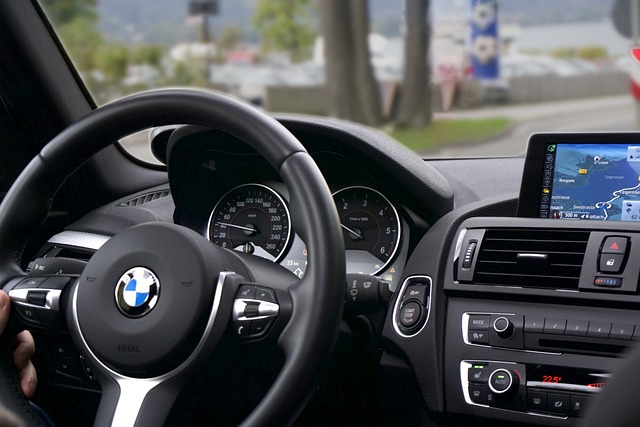
Maintaining your car’s registration and insurance status is a crucial aspect of owning a vehicle in California. The California Department of Motor Vehicles (DMV) oversees this process, ensuring all vehicles on the road are safely registered and insured. One essential step in this process is the DMV VIN verification, which checks the unique Vehicle Identification Number (VIN) to confirm the car’s authenticity and compliance with safety standards. This verification can be done both online through the official DMV website or via a mobile vin verifier app, offering convenience and flexibility for California residents.
Regularly updating your registration and insurance is vital to avoid penalties and legal issues. The DMV encourages owners to renew their registrations well in advance of expiration dates, typically every two years. During this process, you may be required to undergo a VIN inspection, especially if there have been modifications to the vehicle. For instance, if you’ve recently installed a new engine or significant aftermarket parts, a mobile vin verification service can facilitate this inspection by providing an on-demand, remote check of your car’s VIN and associated data. This is particularly beneficial for those with busy schedules or limited mobility.
Insuring your vehicle is another critical component of ownership. California law mandates minimum insurance levels, but it’s advisable to review your coverage options regularly. Comprehensive insurance, which covers damage beyond accidents (e.g., theft, natural disasters), can be a wise investment depending on your driving habits and personal circumstances. Regularly checking your policy’s details, including the insured vehicle identification number (IVI), ensures you’re protected according to current regulations. For example, data shows that over 70% of California drivers who switched to a mobile vin verifier reported improved peace of mind regarding their vehicle’s registration and insurance status.
To streamline these processes, consider utilizing digital tools designed for mobile VIN verification. These apps often sync with your DMV account, making it simple to track renewal deadlines, update insurance information, and undergo necessary VIN inspections 1-3 times annually as required. By staying proactive in maintaining your car’s registration and insurance status, you not only comply with California laws but also ensure a safer, more secure driving experience.
Registering a car in California involves several crucial steps outlined in this comprehensive guide. By preparing necessary documents, visiting a DMV office or utilizing their services online, performing a VIN verification to ensure vehicle authenticity, and paying registration fees, individuals can successfully navigate the process. Maintaining up-to-date registration and insurance is essential, highlighting the need for continuous compliance with state regulations. The article’s key takeaway emphasizes that proper adherence to these procedures ensures legal conformity and peace of mind for California drivers, underscoring the significance of a well-documented and verified vehicle registration process. Furthermore, understanding and following the outlined steps serve as a practical framework for a seamless car registration experience, reinforcing the authority of this guide as an indispensable resource for anyone undertaking this task.